
The Magic "e"
The Magic "e"
Feb 17, 2026
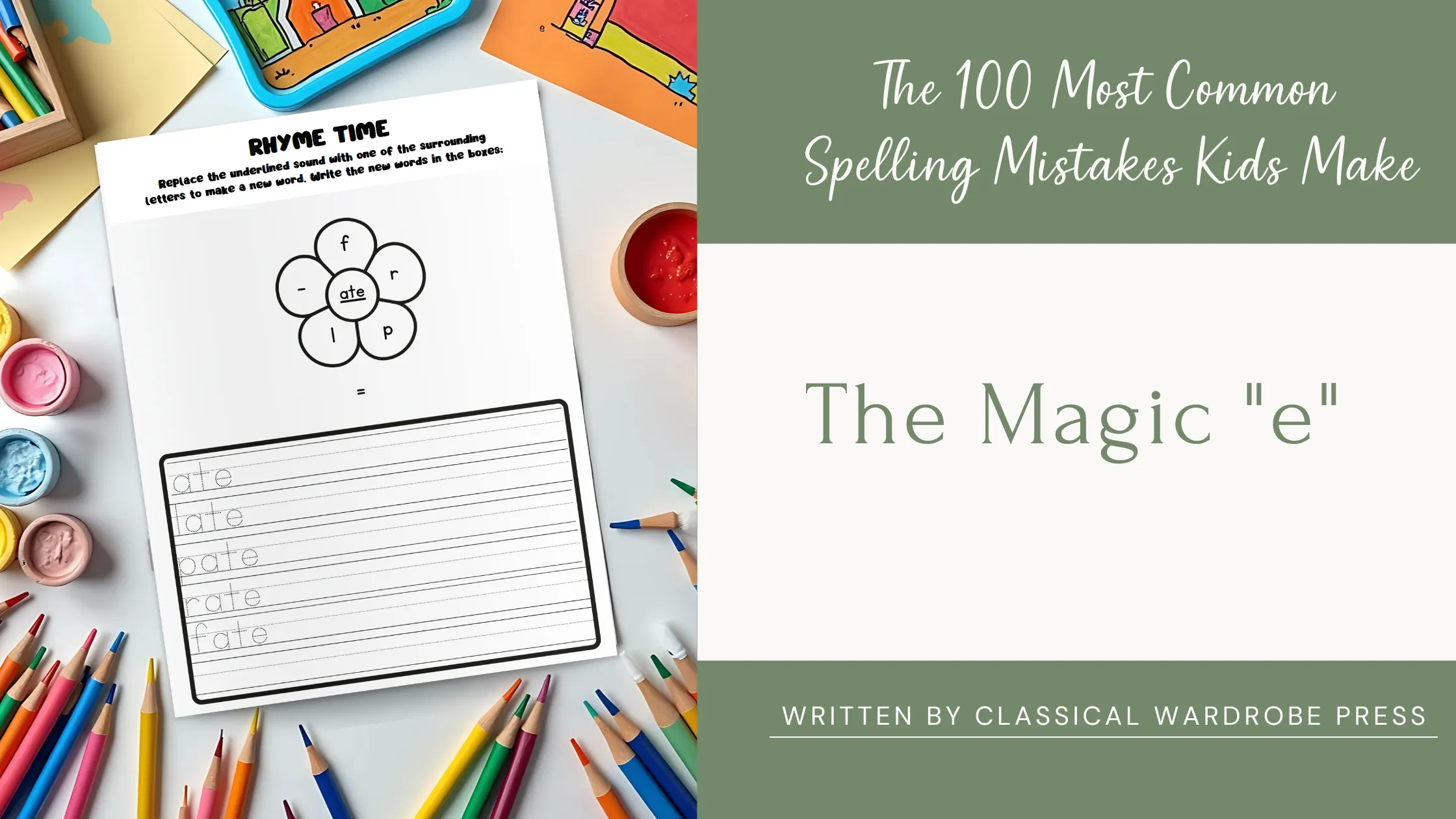
What Is the Magic “e”?
Why does cap become cape?
Why does rid need an extra letter to become ride?
One small letter — a silent e — changes everything.
This is known as the magic “e” rule, and it is one of the most common spelling patterns children forget.
The magic “e” (also called the silent e or final e) is an e at the end of a word that is not pronounced, but changes the sound of the vowel before it.
Compare:
- cap → cape
- kit → kite
- hop → hope
- tub → tube
- mad → made
Without the “e,” the vowel is short. Add the silent “e,” and the vowel becomes long.
The “e” is silent, but powerful.
Why Do Children Forget It?
Children spell by sound at first.
They hear:
- /kap/
- /kit/
- /hop/
So they write exactly what they hear. That makes sense. The problem is that English spelling is not based on sound alone. It follows patterns. When a child writes rid instead of ride, they are not being careless. They are writing phonetically. But English spelling requires them to recognise visual patterns, not just sounds.
The Most Common Magic “e” Mistakes
In this series on the 100 most common spelling mistakes, here are typical examples linked to the silent “e” rule:
- mak instead of make
- lik instead of like
- hop for hope
- mad for made
- tim for time
If a word already ends in a silent “e,” we usually drop the “e” before adding -ing:
- make → making
- ride → riding
- hope → hoping
But if there is no silent “e,” and the vowel is short, we often double the consonant:
- hop → hopping
- run → running
- sit → sitting
This is where many spelling mistakes appear. You can download the list of words with a magic "e".
Why Does the Magic “e” Exist?
The final “e” was once pronounced in earlier forms of English. Over time, pronunciation changed, but spelling often stayed the same. Instead of disappearing completely, the final “e” became a signal. It tells the vowel before it: Say your name.
So while we call it “magic,” it is actually structural and historical. English spelling preserves meaning and word structure, not just sound.
See our previous post on how the origin of words can make spelling and pronunciation confusing.
English is not broken, it's alive
How to Help Children Master It
Charlotte Mason recommended word building as a powerful spelling exercise (Home Education, pp. 202–203). Instead of teaching rules in isolation, we build families of words so the child sees patterns clearly.
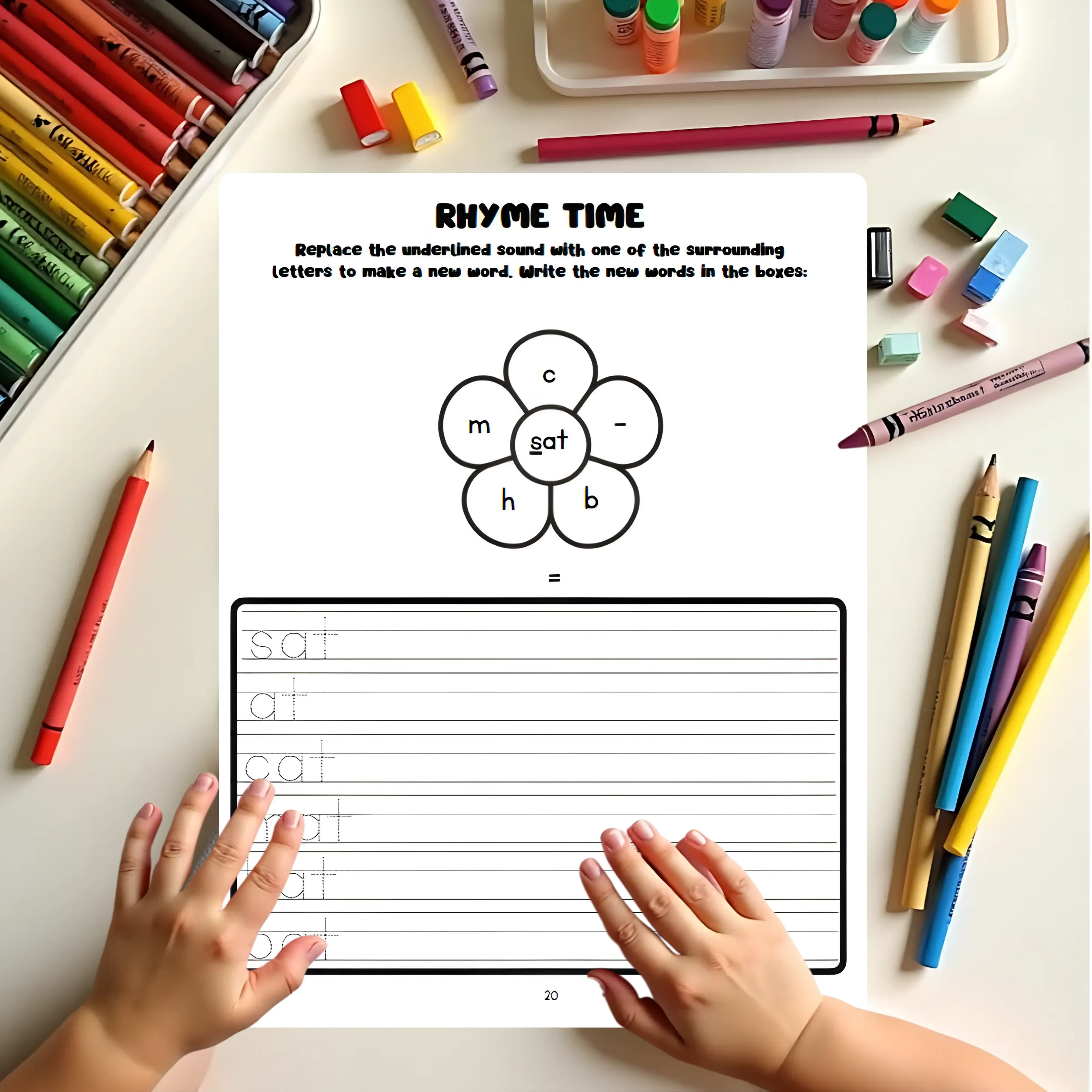
Begin with a simple short vowel family:
–at
cat
mat
bat
sat
rat
Let the child notice the shared pattern. The vowel is short.
Then extend the pattern:
–ate
ate
late
fate
rate
Now the child can see the difference.
rat is short.
rate is long.
The silent “e” is no longer a trick. It becomes visible structure. From there, new words feel less intimidating because they belong to a known family. The child begins to recognise spelling patterns as wholes.
Spelling, in this way, is not guessing by sound. It is learning to see. And when a word is clearly seen in the mind, it is more easily remembered.
Why This Rule Matters
Understanding the magic “e” unlocks dozens, even hundreds, of words.
It helps children:
- read more fluently
- spell with greater accuracy
- understand vowel patterns
- avoid common mistakes.
More importantly, it shows them that spelling is not random. It follows structure.
When children begin to see these patterns, they stop guessing.
Final Thought
The silent “e” may not make a sound, but it shapes the word.
Spelling is not only about what we hear. It is about recognising patterns that have been shaped over centuries. And sometimes, one quiet letter makes all the difference.