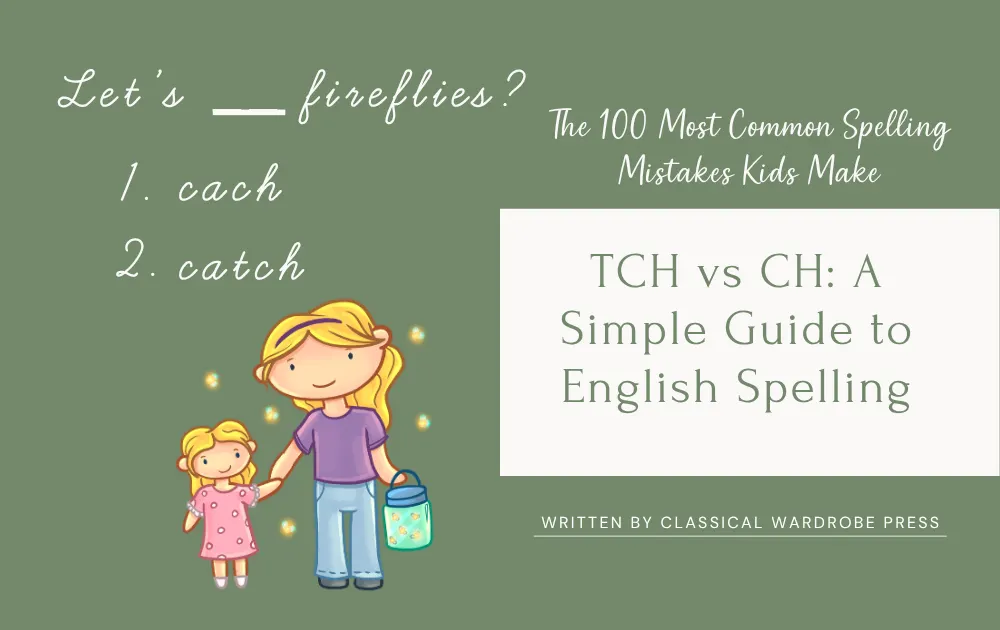
TCH vs CH: A Simple Guide to English Spelling
Why do some words end in TCH while others end in CH? Discover this common English spelling pattern and learn how to teach it through living books and Charlotte Mason methods.
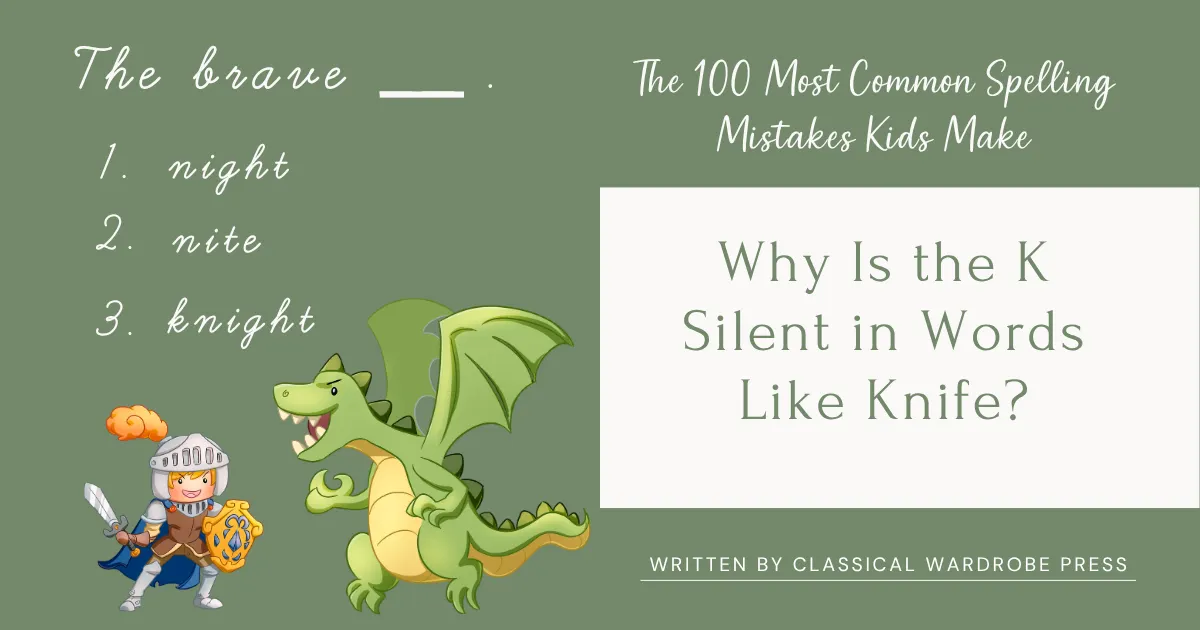
Why Is the K Silent in Knife? Understanding the Silent KN Pattern
Discover why words like knife, knight, and knee begin with a silent K. Learn the history of the silent KN pattern and a Charlotte Mason-inspired approach to teaching spelling.
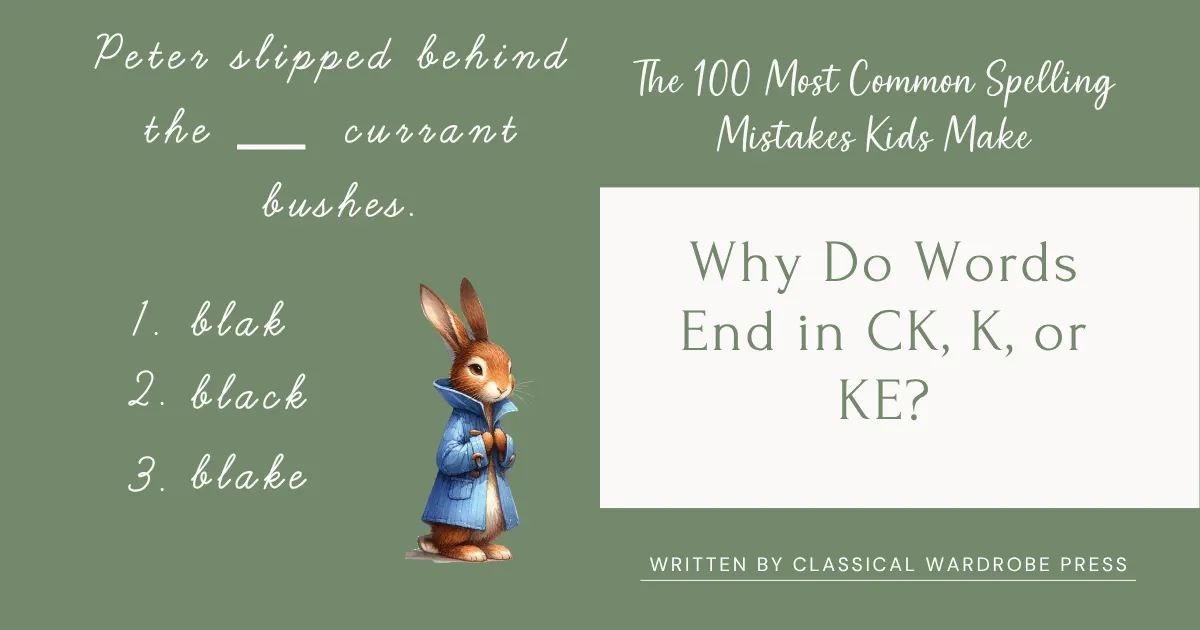
Why Do Words End in CK, K, or KE?
Why do words end in ck, k, or ke? Learn this common English spelling pattern and discover a Charlotte Mason-inspired way to teach spelling through observation and copywork.
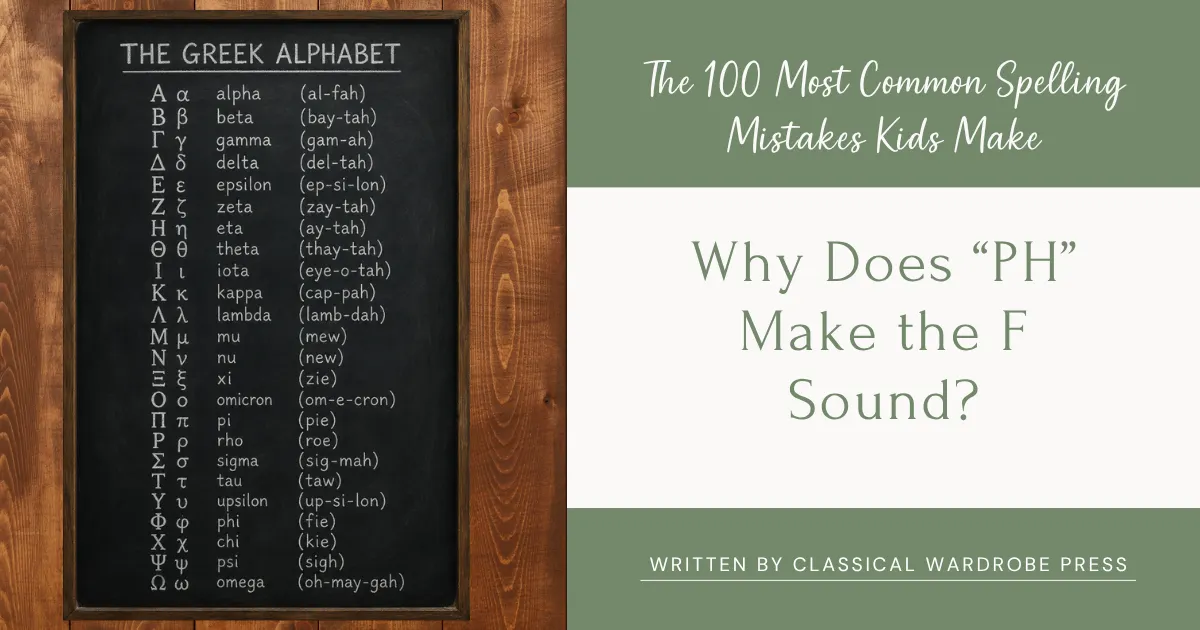
Why Does “PH” Make the F Sound?
Why do phone, photo, and elephant use PH instead of F? Discover the Greek origins of the PH spelling pattern and how it helps children understand English spelling.
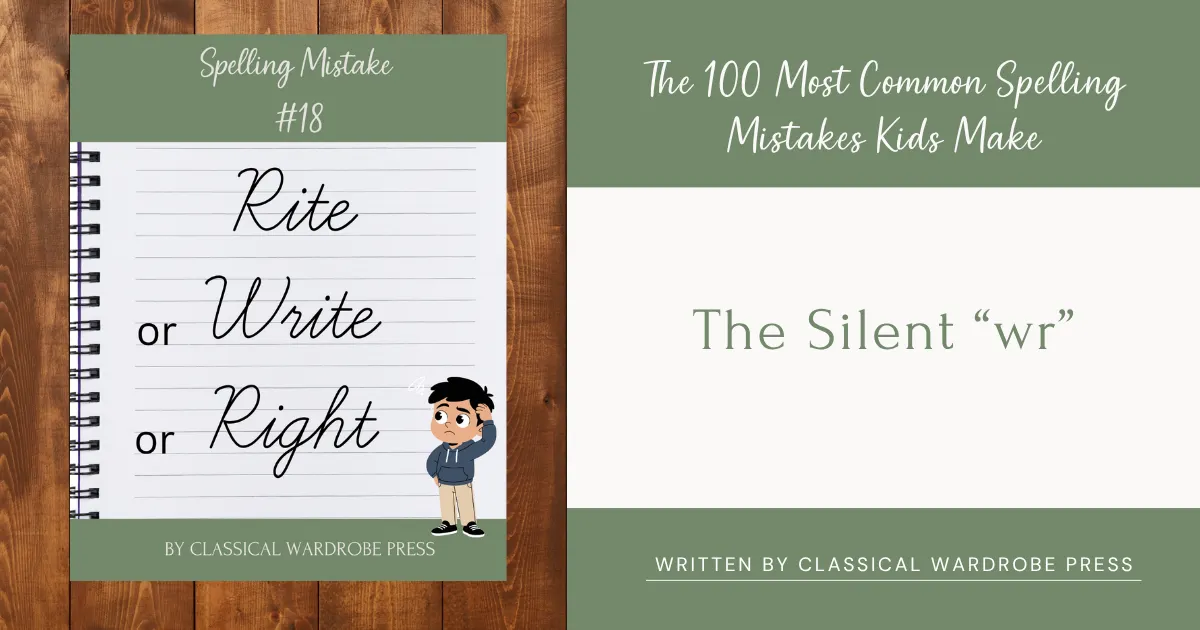
The Silent WR Spelling Pattern: Why We Write Wrong, Write, and Wrist
Learn why words like wrong, write, and wrist begin with a silent W. Discover the history behind the WR spelling pattern and how to teach it through literature and observation.
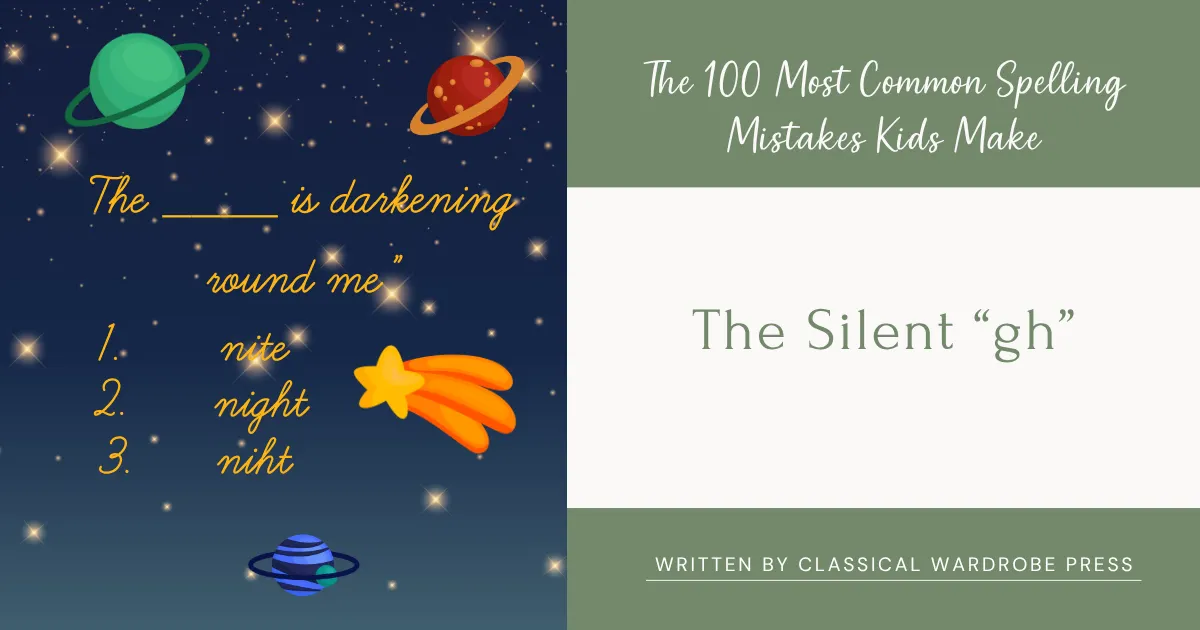
The Silent "gh"
Why do we write night instead of nite? Discover the history behind silent GH words like light, night, enough, and laugh with this gentle spelling lesson for children.
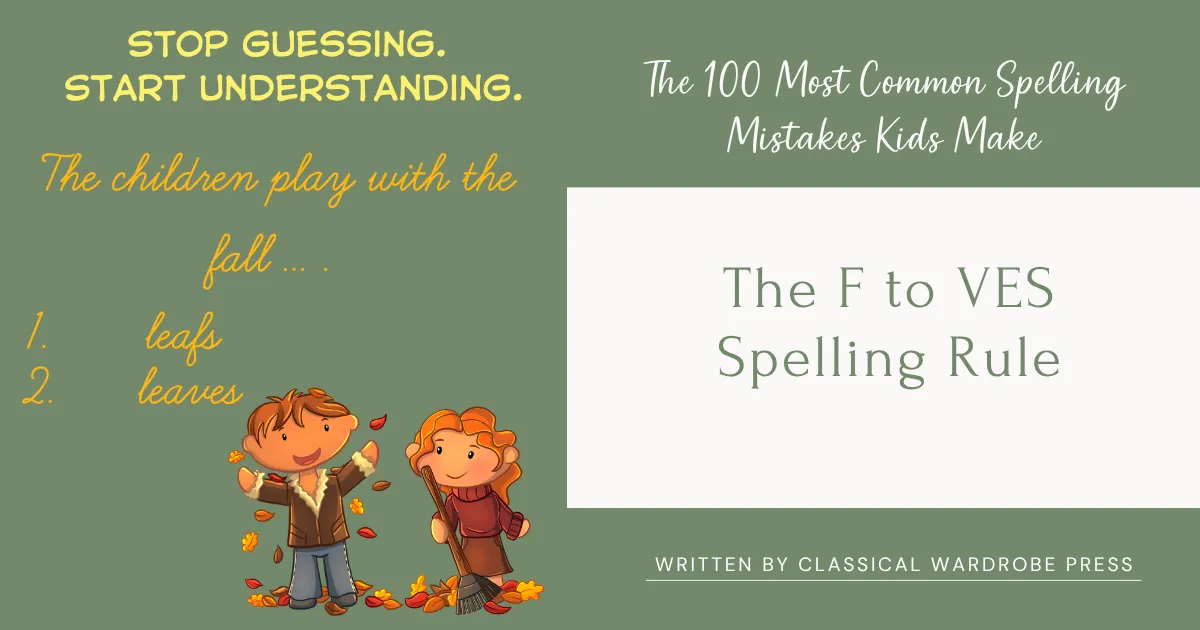
The F to VES Spelling Rule
Learn the F to VES spelling rule with simple examples like leaf to leaves and wolf to wolves. A gentle guide to plural spelling patterns for children.
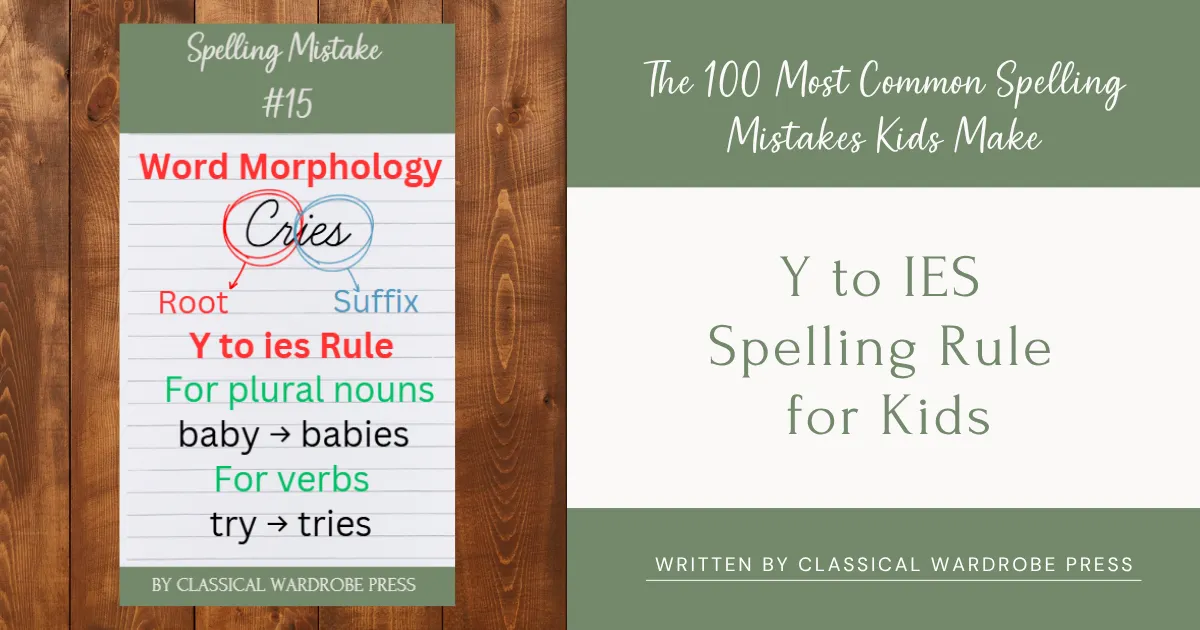
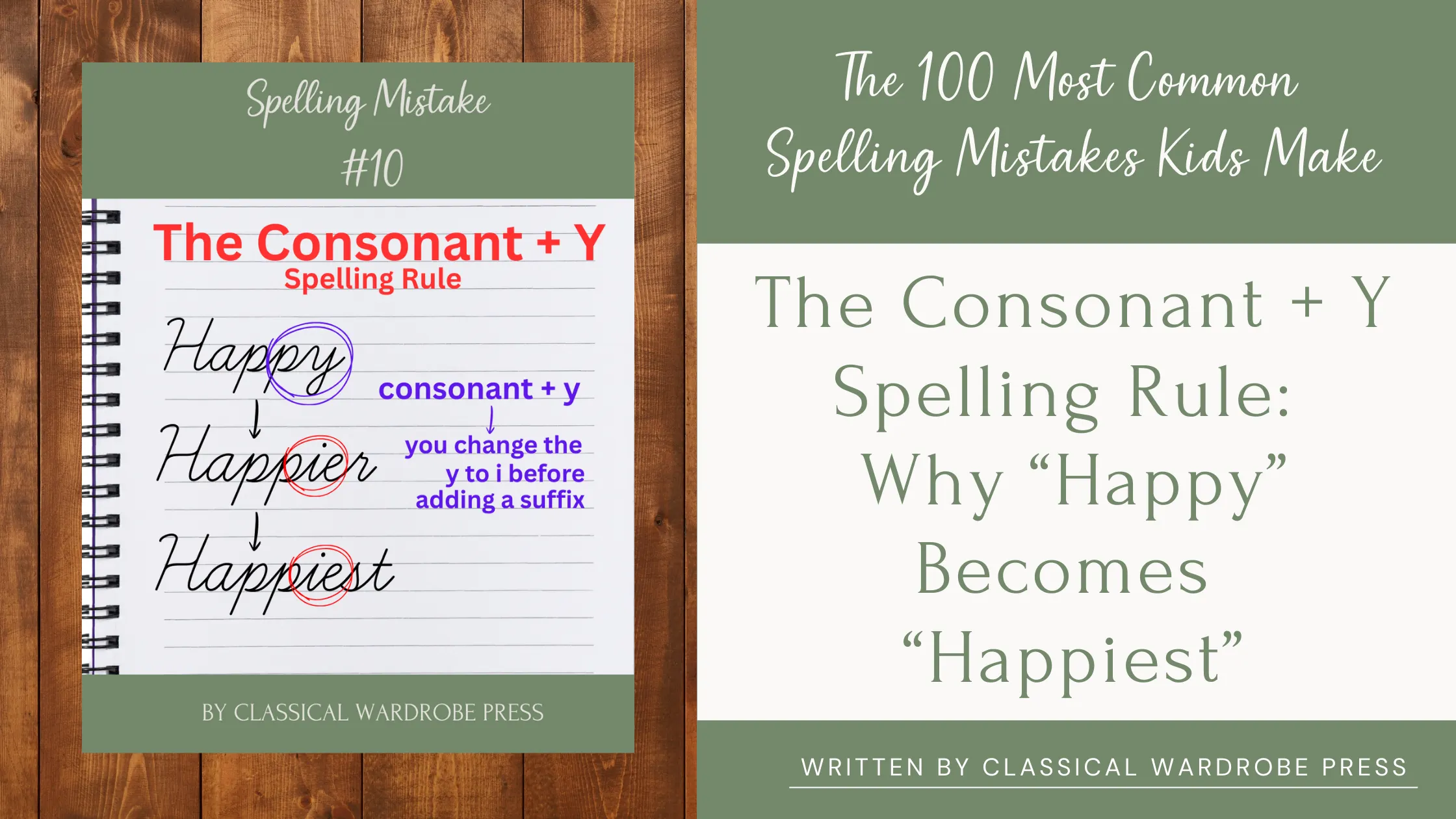
When “Y” Becomes “IES”
Learn the Y to IES spelling rule with simple examples like baby to babies and cry to cries. A clear, child-friendly guide to plural spelling patterns.
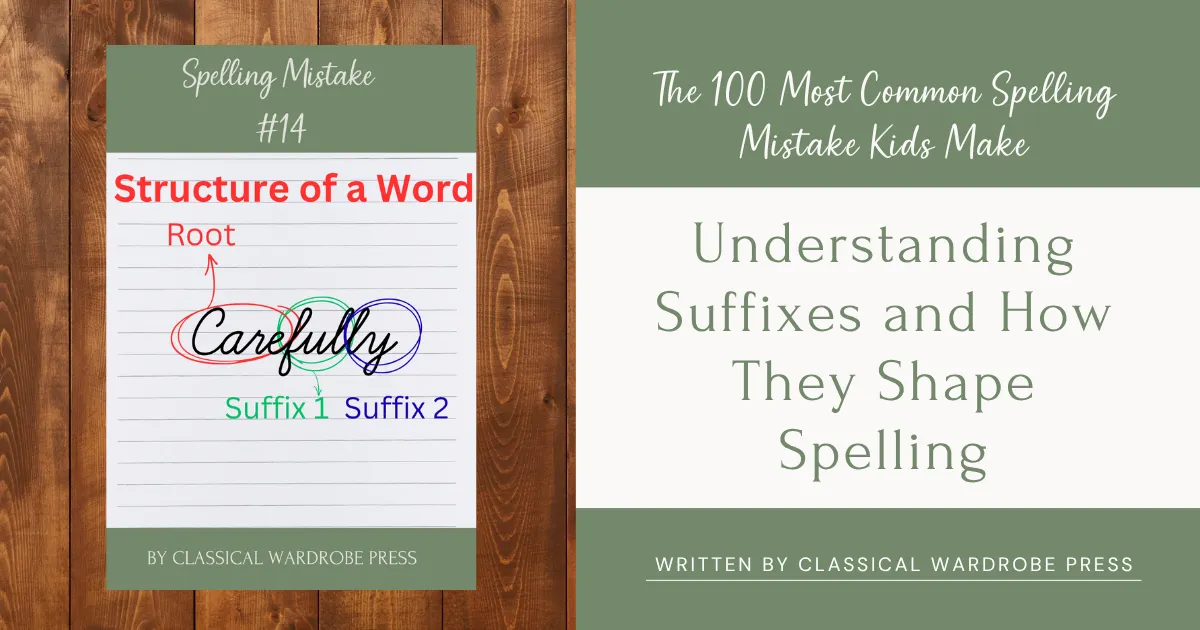
Understanding Suffixes and How They Shape Spelling
Learn how suffixes shape spelling through clear patterns like doubling consonants, dropping silent e, and changing y to i. A gentle guide for teaching children.
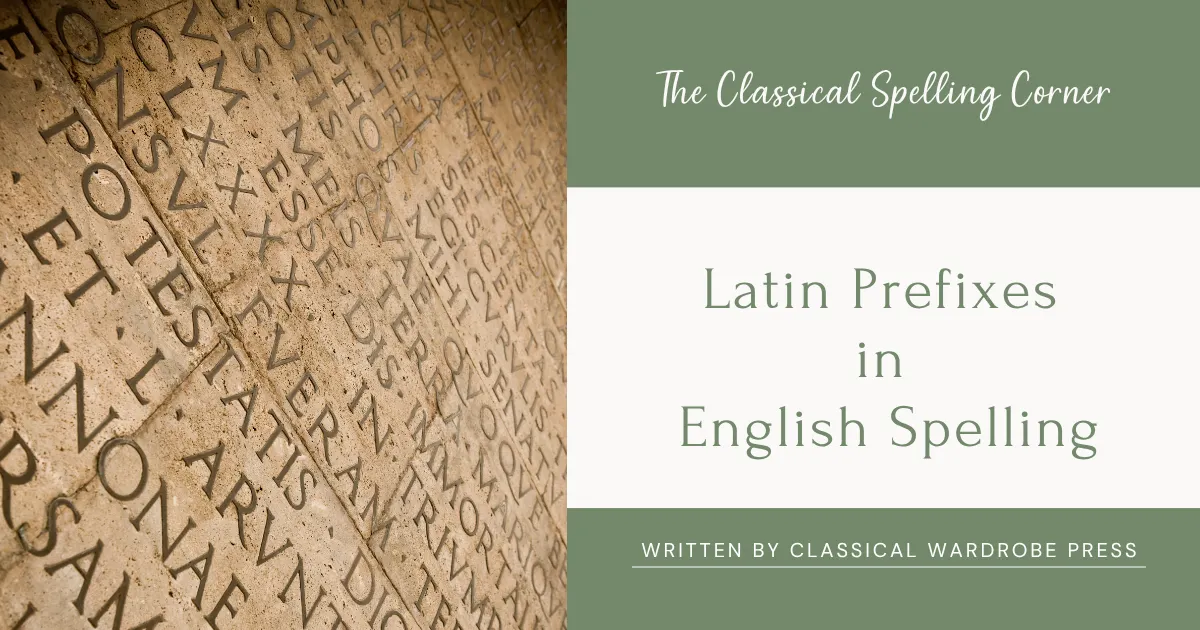
Latin Prefixes in English Spelling
Learn how Latin prefixes shape English spelling. Discover simple patterns, word families, and a root-based approach to help children spell with confidence.
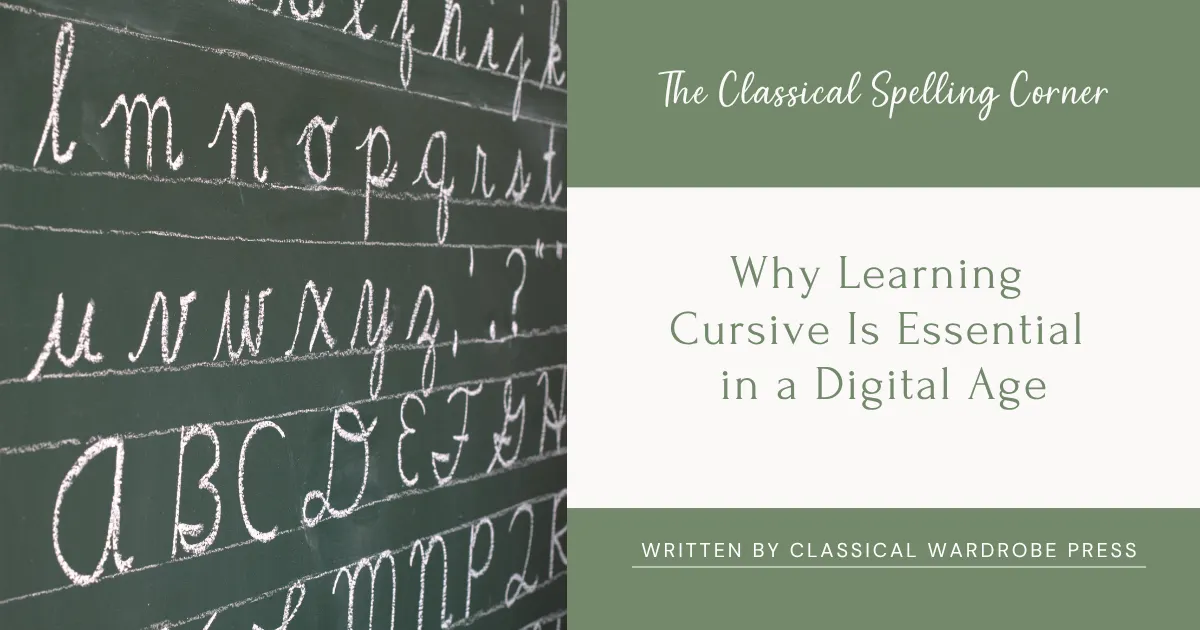
Why Learning Cursive Is Essential in a Digital Age
Discover why learning cursive boosts brain development, memory, and spelling skills, and how themed cursive workbooks make practice fun for kids.
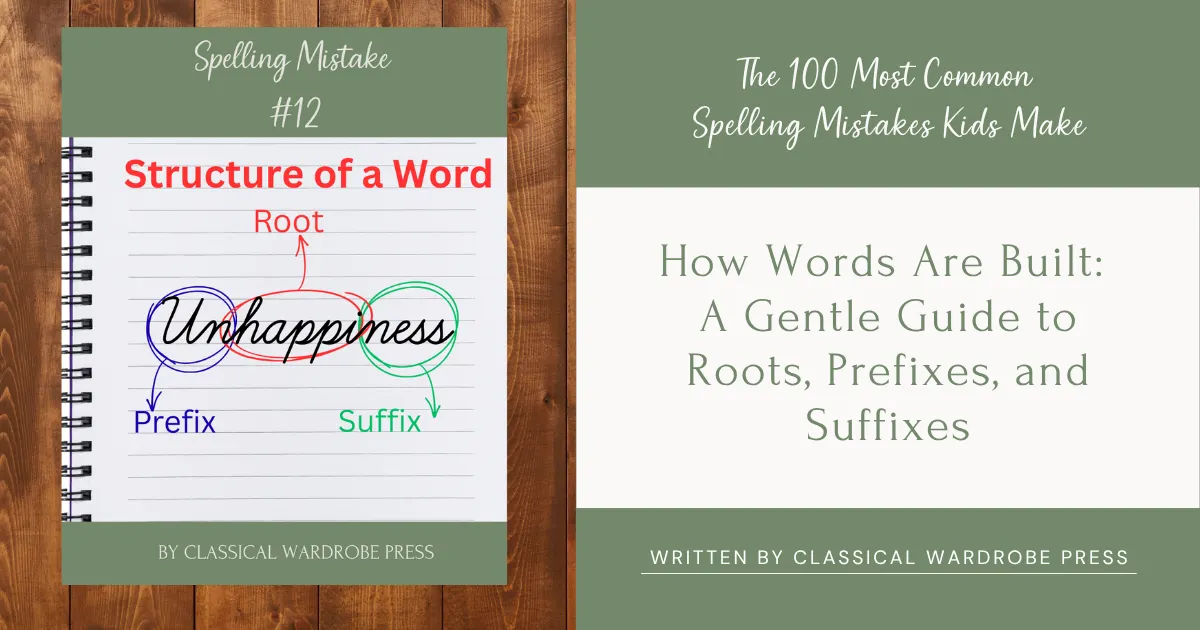
How Words Are Built: A Gentle Guide to Roots, Prefixes, and Suffixes
Learn how words are built using roots, prefixes, and suffixes. A gentle, child-friendly guide to word structure that supports spelling, reading, and vocabulary development.
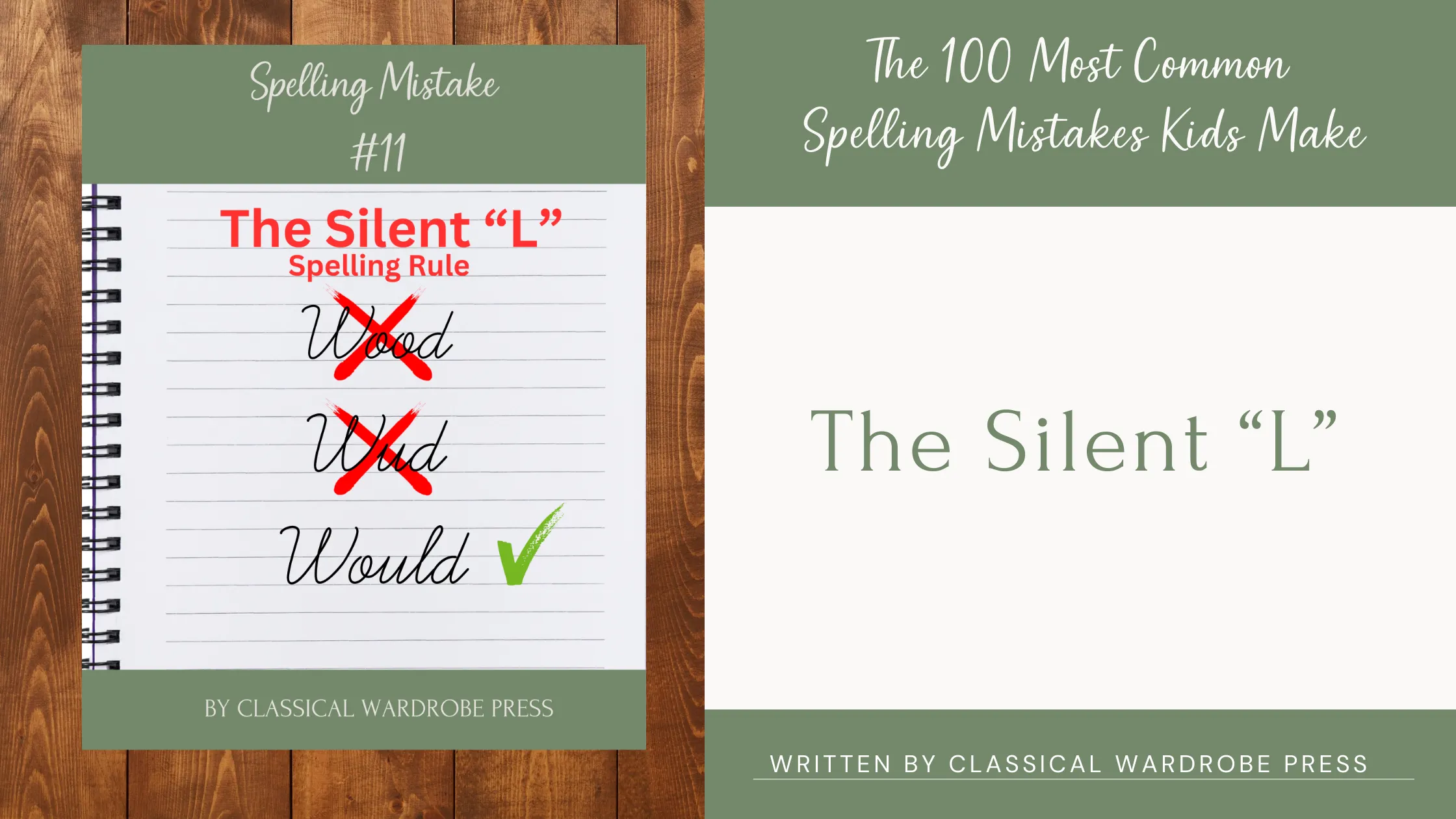
The Silent “L”: Why We Write Would, Could, and Should
English spelling often preserves history. Discover why would, could, and should contain a silent L, and how understanding patterns helps children learn to spell with confidence.
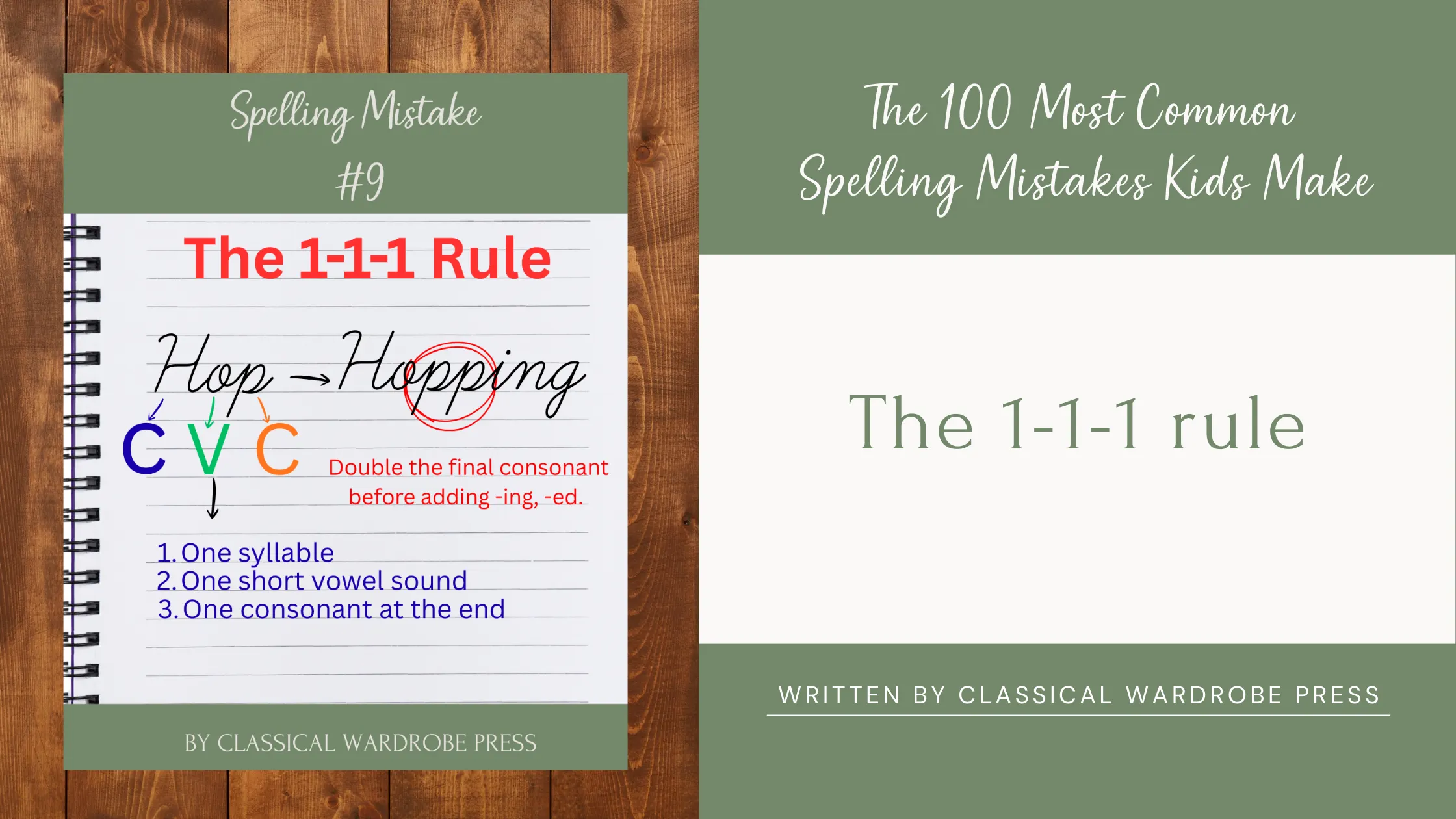
The 1–1–1 Doubling Rule
Why do we write running but not runing? The 1-1-1 rule explains when and why English doubles final consonants. A clear guide for parents teaching spelling with confidence.
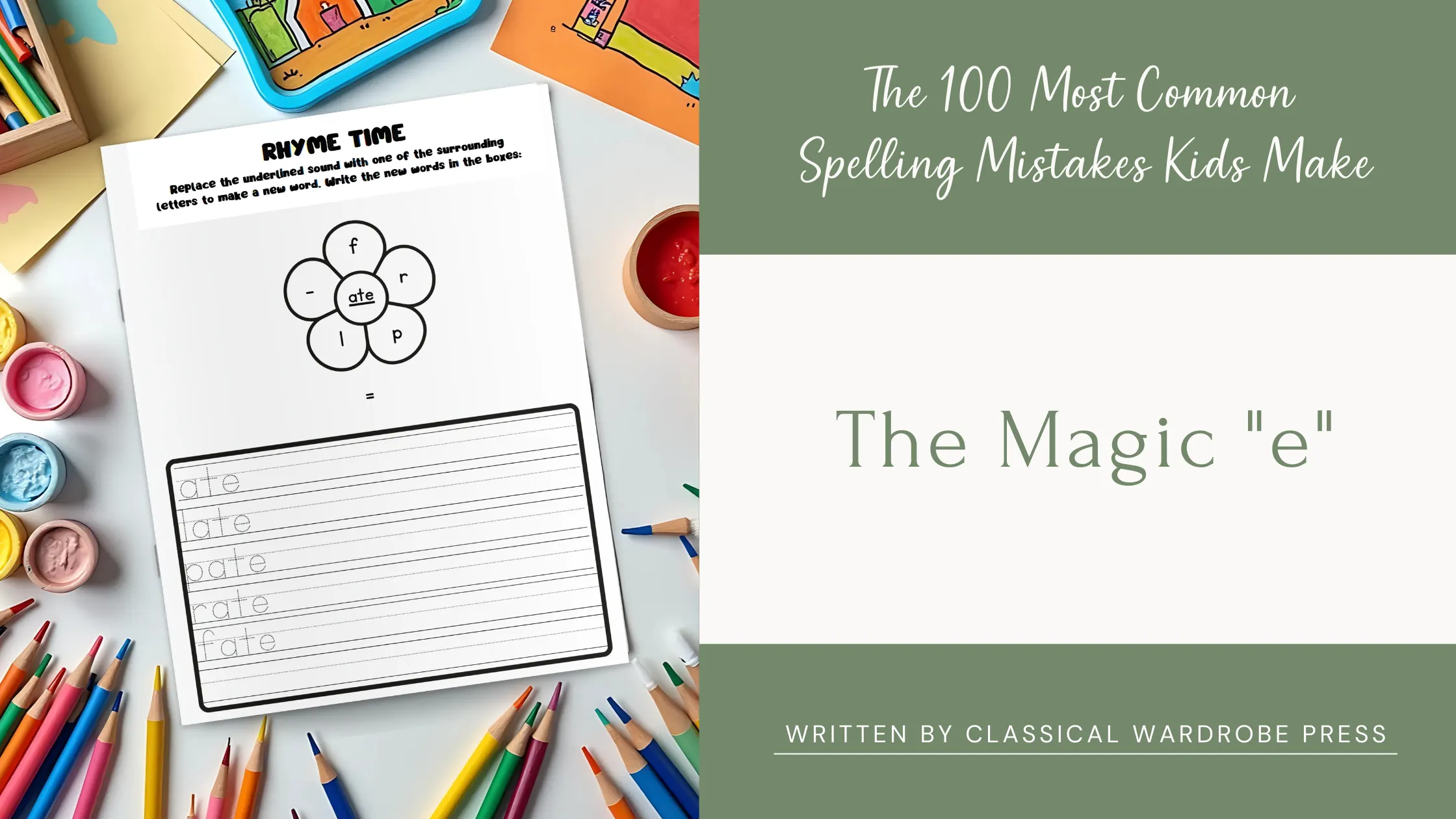
The Magic "e"
Learn how the magic “e” changes short vowels to long sounds. A clear, Charlotte Mason–inspired guide to help children master silent e spelling.
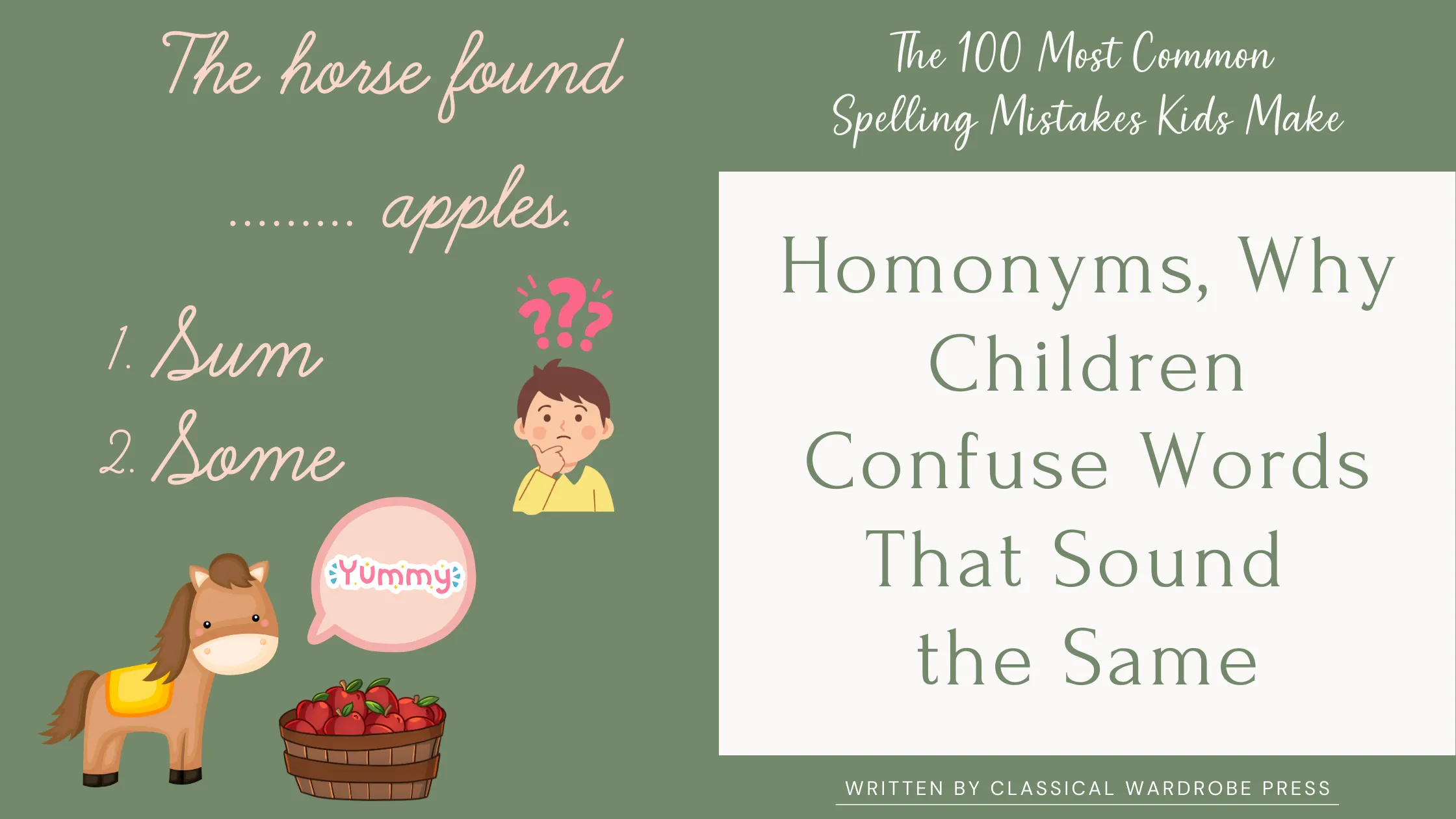
Homonyms, Why Children Confuse Words That Sound the Same
Homonyms cause spelling mistakes because sound alone isn’t enough. Meaning and context help children choose the correct spelling.
Why Transcription Comes Before Dictation
Charlotte Mason explains why children should copy words before spelling them from memory. Learn how transcription builds confident, accurate spellers.
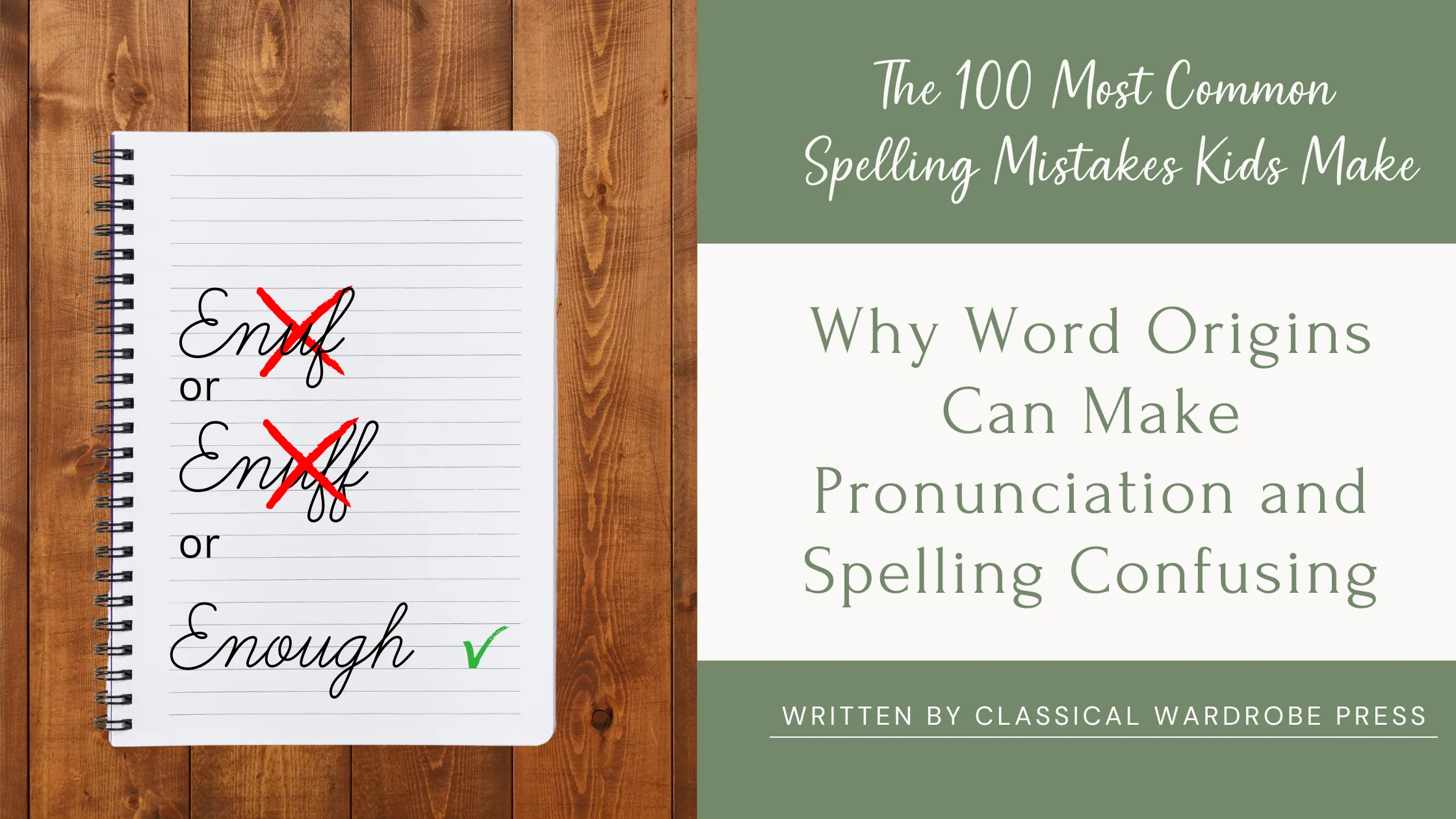
Why Word Origins Can Make Pronunciation and Spelling Confusing
English spelling mistakes often follow logic. Discover how word history and changing sounds explain confusing spellings like “enough.”
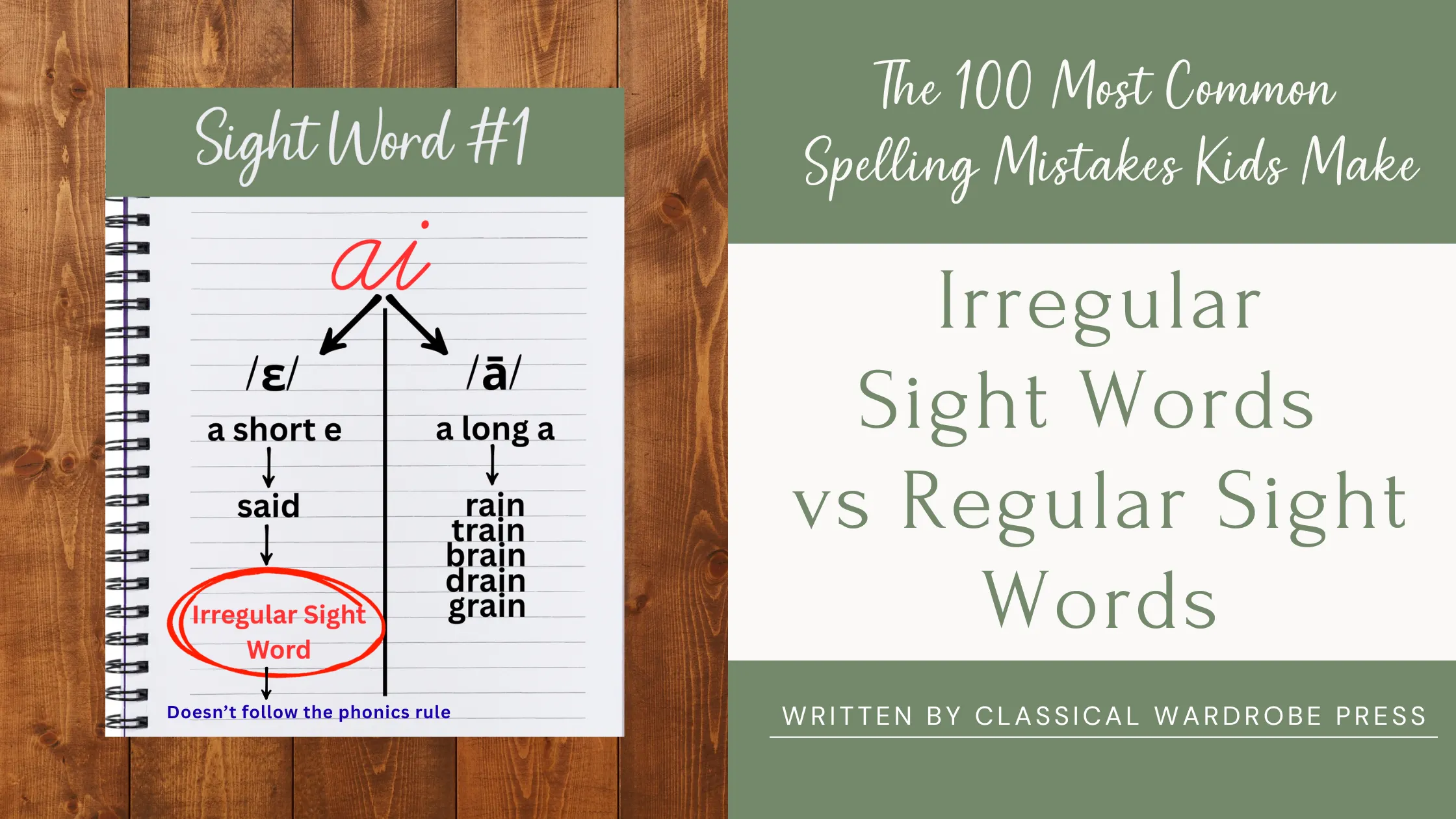
Irregular Sight Words vs Regular Sight Words
Regular and irregular sight words are often misunderstood. Learn what makes them different and how children learn them best through reading and context.
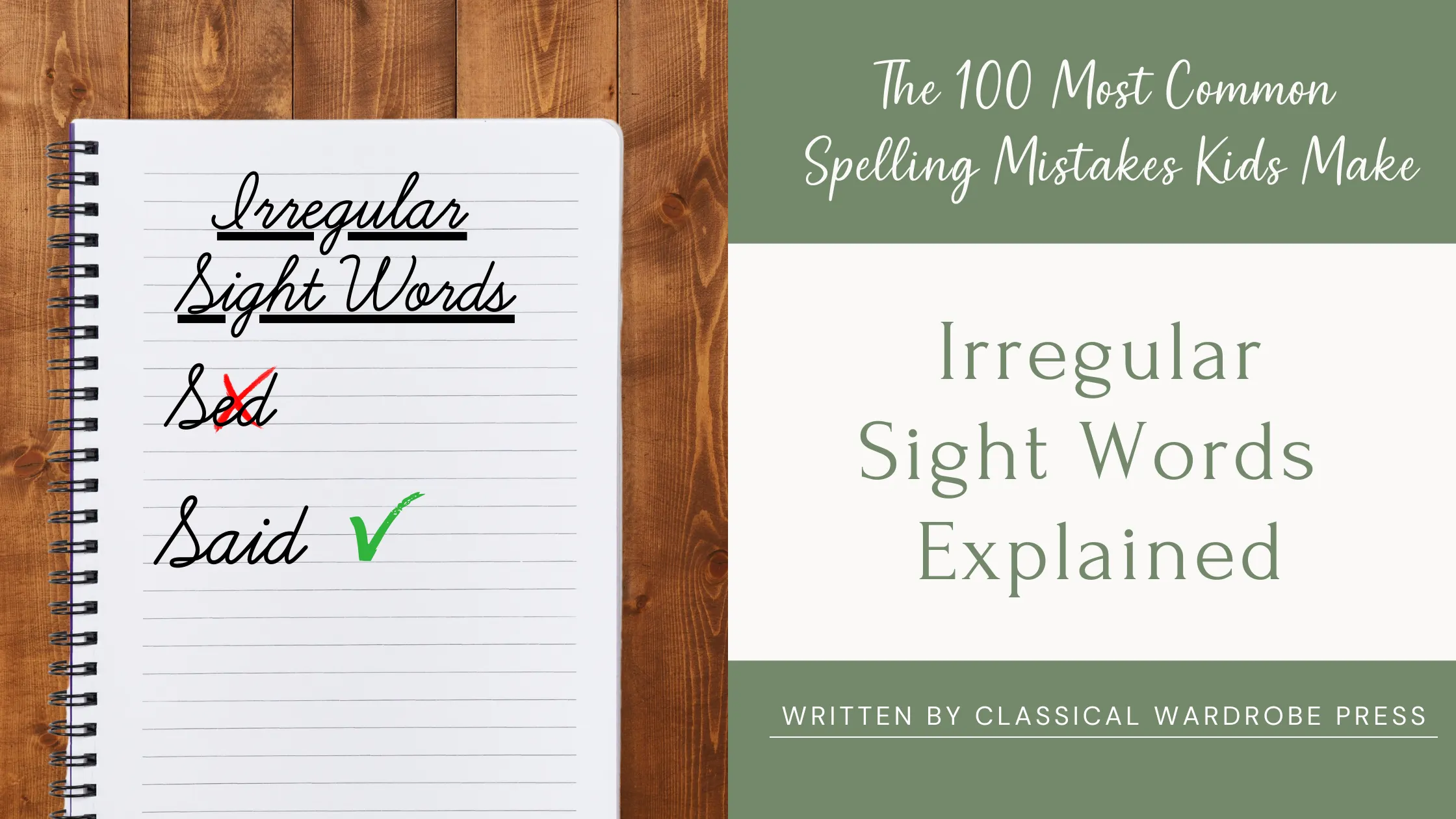
Irregular Sight Words Explained
Irregular sight words are one of the most common spelling mistakes kids make. Learn why they cause confusion and how to teach them gently.
Introducing Our New Series: The 100 Most Common Spelling Mistakes Kids Make
Launch of our new series that will be a weekly spelling mistake overview to improve spelling with confidence
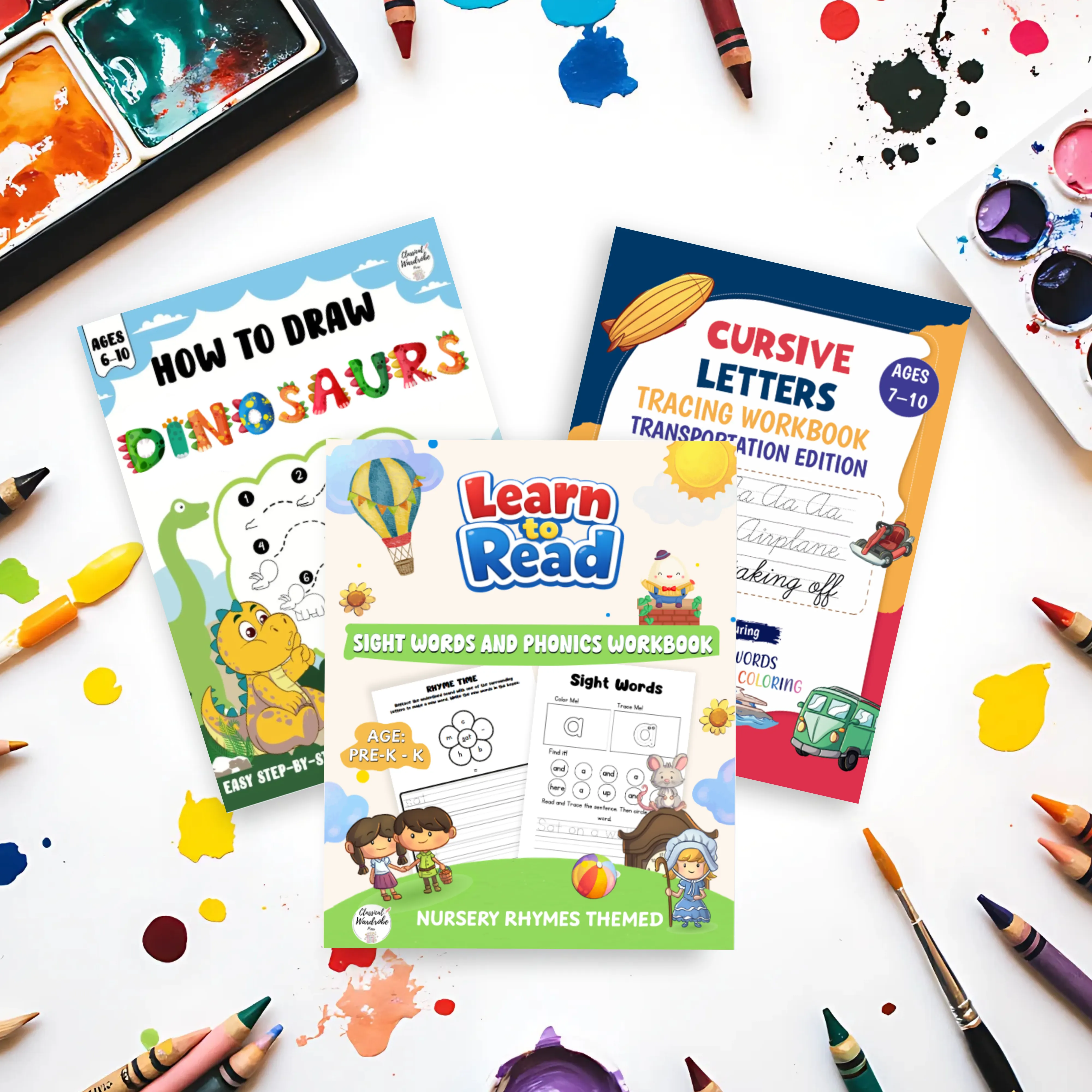
How I came to create activity books for children
Creating activity book for encourage exploration of surrounding and encourage screen off activities. Our children are little explorers, let encourage them.